Affiliate disclosure: as an affiliate partner, RigTested may earn from qualifying purchases through links on this page, at no extra cost to you.
Affiliate Disclosure: As an Amazon Associate, we earn from qualifying purchases.
Why You Need the Right Camp Stove
Convenience is a luxury you cannot afford to waste in the field. A high-quality portable stove offers control that a fire pit simply cannot match. Fire pits are subject to wind, humidity, and local burn bans, whereas a dedicated stove provides consistent heat output regardless of conditions.
- Fuel Efficiency: Modern stoves extract more energy per unit of fuel than open fires, saving weight and money over long trips.
- Weight Savings: A compact stove weighs a fraction of a full fire kit with kindling and logs.
- Reliability: In harsh weather, the ability to boil water quickly is critical for hydration and sanitation.
The biggest pain points we encounter are wind resistance and slow boil times. If your stove cannot fight a 15 mph breeze, you will spend more time waiting than cooking.
Key Factors to Consider Before Buying
Fuel Type & Availability
The choice between liquid fuel, canister gas, and wood significantly impacts your camping cooking experience.
- Propane/Butane Canisters: Widely available in the US. Best for moderate climates. Easy to store but performance drops below 32°F (0°C).
- Liquid Fuel: Requires a separate pump and tank. Excellent for cold weather and high altitude due to pressurized delivery, but heavier and more complex.
- Wood/Charcoal: Free fuel if you are in the forest. Great for heat retention but produces ash and requires constant tending.
We recommend checking regional availability before committing to a specific fuel type, especially if you travel internationally or into remote areas where supply chains are thin.
Size, Weight, & Packability
For car camping off a truck bed, stability is king. We prefer stoves with wide bases and wind guards. For backpacking trips from the truck, we look for foldable designs that integrate pot supports to minimize pack volume.
- Car Camping: Ideal weight range 2–5 lbs. Prioritize stability and burner size.
- Backpacking: Ideal weight range under 1 lb. Prioritize speed of setup and minimal parts count.
Top Picks: Best Camp Stoves by Category
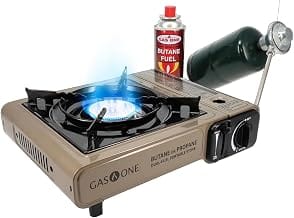
Gas One GS-3400P Propane or Butane Stove Dual Fuel S
$29.99
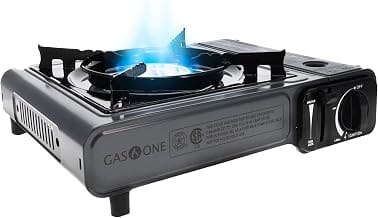
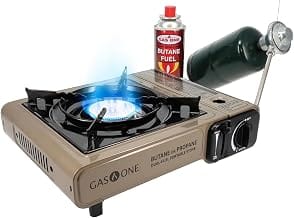
Gas One Portable Butane Camping Stove with Case: Aut
$24.99
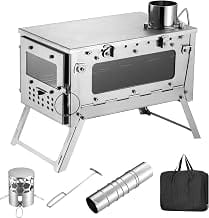
Portable Wood Burning Camping Stove with Glass Windo
$169.9
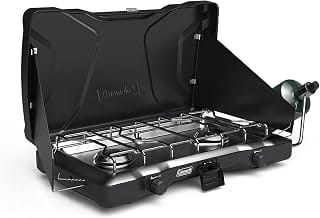
Coleman Triton 2-Burner Propane Stove, Portable Camp
$83.99
Best Overall Performance
The Coleman Triton 2-Burner Propane Stove, Portable Camping Cooktop with 2 Adjustable Burners & Wind Guards, 22,000 BTUs of Power for Camping, Tailgating, Grilling, BBQ, & More is our benchmark pick for reliability and heat output. It handles the transition from tailgating to serious meal prep seamlessly.
- Balanced Design: The dual burners allow you to simmer a sauce while boiling pasta, saving significant time.
- Wind Resistance: Integrated wind guards protect the flame from crosswinds, maintaining efficiency in exposed campsites.
- Power: At 22,000 BTUs, it provides ample power for large cookware without running out of fuel mid-meal.
Best Lightweight Backpacking Option
The Gas One Portable Butane Camping Stove with Case: Automatic Ignition, Precise Heat Control - Camping & Tailgating and Outdoor Cooking is our go-to for minimal weight and fast setup. It packs down small enough to fit in a side pocket of a daypack.
- Minimal Weight: Ideal for short trips where every ounce counts.
- Easy Resupply: Uses standard butane canisters, which are easy to find at most outdoor retailers or hardware stores.
- Limited Wind Protection: While efficient in calm conditions, it lacks the wind guards of larger units, so manage expectations in high-wind scenarios.
Best for Cold Weather & High Altitude
The Gas One GS-3400P Propane or Butane Stove Dual Fuel Stove Portable Camping Stove - Patented - with Carrying Case Great for Emergency Preparedness Kit offers versatility that shines in varying conditions. While not a dedicated liquid fuel system, its dual-fuel capability allows you to switch between propane and butane based on ambient temperature.
- Dual Fuel Flexibility: You can use propane for higher heat output or butane for cleaner burning in milder conditions.
- Cold Weather Tip: For below-freezing temps, keep the fuel tank inside your sleeping bag to maintain pressure. Pre-heating the lines is also effective for liquid fuel systems if you upgrade later.
- Stability: The included case and sturdy build provide a stable base even on uneven terrain.
Best for Wood Burning Enthusiasts
The Portable Wood Burning Camping Stove with Glass Window for Tent, Fishing | Ultra Light, Foldable, Stainless Steel, 8ft Chimney Pipe, With Carry Bag, Rake, 1300°C Heat-Resistant Glass, Quick Assemble is a unique option for those who prefer the traditional feel of wood fire without the mess.
- Free Fuel: Uses small twigs and dry leaves, which are abundant in most forests.
- Compact Design: Folds down flat with an included carry bag for easy transport.
- Safety Feature: The glass window allows you to monitor the fire without opening the door and losing heat.
Spec Comparison Table
| Product | Fuel Type | Burners | Key Feature | Best For |
|---|---|---|---|---|
| Coleman Triton 2-Burner Propane Stove | Propane/Butane Canister | 2 | Wind Guards, 22,000 BTUs | Car Camping, Large Groups |
| Gas One Portable Butane Camping Stove | Butane Canister | 1 | Automatic Ignition, Compact Case | Backpacking, Day Hikes |
| Gas One GS-3400P Dual Fuel Stove | Propane/Butane Canister (Dual) | 1 | Dual Fuel Compatibility, Carrying Case | Versatile Use, Cold Weather Prep |
| Portable Wood Burning Camping Stove | Wood/Twigs | 1 (Open Fire) | Glass Window, Foldable Stainless Steel | Forest Camping, Low Fuel Cost |
How to Choose the Right Stove for Your Needs
A simple decision matrix works: group size, trip duration, and climate. If you are cooking for more than two people or planning multi-day meals, the Coleman Triton 2-Burner Propane Stove, Portable Camping Cooktop with 2 Adjustable Burners & Wind Guards, 22,000 BTUs of Power for Camping, Tailgating, Grilling, BBQ, & More is the logical choice due to its dual-burner capability.
- Group Size: Solo or couple? A single burner like the Gas One Portable Butane Camping Stove with Case: Automatic Ignition, Precise Heat Control - Camping & Tailgating and Outdoor Cooking is sufficient. Group of 4+? Go dual-burner.
- Cooking Habits: Do you mostly boil water for instant meals? A lightweight canister stove works well. Do you simmer stews or fry eggs? You need higher BTU output and stability, which the propane options provide.
- Cookware Compatibility: Check your pot diameter. The Gas One GS-3400P Propane or Butane Stove Dual Fuel Stove Portable Camping Stove - Patented - with Carrying Case Great for Emergency Preparedness Kit has a standard burner size, but always verify that your cookware sits flat on the grate to prevent tipping. If your pot set is missing pieces, we have a full rundown in our guide to camp cookware sets.
Setup & Safety Tips for Camping Cooking
Safety is non-negotiable. We follow these protocols every time we set up camp:
- Ventilation: Never use a gas stove inside a closed tent or shelter without proper ventilation. Carbon monoxide is odorless and deadly.
- Fuel Handling: Store propane tanks upright in a cool, dry place. Do not overfill liquid fuel tanks if you upgrade to that system later; leave room for expansion.
- Disposal: Empty butane canisters should be punctured or disposed of according to local hazardous waste regulations. Do not throw them in regular trash.
- Common Mistakes: Avoid placing the stove on uneven ground. A tipped-over pot is a common cause of burns and fire hazards. Use a flat rock or pad if necessary.
Frequently Asked Questions
Can I use a camp stove inside a tent?
No. Most manufacturers explicitly warn against using gas stoves inside tents due to the risk of carbon monoxide poisoning and explosion from fuel leaks. If you need indoor cooking, use a dedicated wood-burning stove with a proper chimney vented outside, like the Portable Wood Burning Camping Stove with Glass Window for Tent, Fishing | Ultra Light, Foldable, Stainless Steel, 8ft Chimney Pipe, With Carry Bag, Rake, 1300°C Heat-Resistant Glass, Quick Assemble, ensuring it is properly sealed and vented.
What is the difference between canister and liquid fuel stoves?
Canister stoves are lighter, cheaper, and easier to use but lose efficiency in cold weather. Liquid fuel stoves are heavier and more complex but perform reliably below freezing and at high altitudes. For long-term storage, canisters have a shelf life of 5–10 years if unopened, while liquid fuel systems require regular maintenance to prevent clogging.
How do I clean a portable stove after use?
Clean the burner head with a soft brush or toothpick to remove debris. Wipe down the body with a damp cloth and mild soap. Avoid using harsh chemicals that can damage seals or igniters. For wood stoves, regularly remove ash to prevent buildup and ensure airflow.
Final Thoughts: Finding Your Perfect Match
The best stove is the one that matches your actual usage patterns. If you are primarily car camping out of a truck, prioritize stability and power with a dual-burner propane unit. If you want to go propane-only, our propane camp stove guide breaks down which burners hold up when the cold takes the heat off butane. If you are hiking in from the truck, choose a lightweight butane option for speed and weight savings.
We encourage readers to prioritize reliability over raw power for most camping cooking needs. A stove that works consistently is better than one that offers peak performance but fails when it matters most. Always check current stock and recent reviews before purchasing, as manufacturing quality can vary between batches. Most high-quality portable stoves have an average lifespan of 5–10 years with proper care.
🔥 Live deals, updated daily
Prices on the gear we cover move constantly. We track current discounts on portable camp stoves and the rest of the gear we cover and refresh them every morning.
See today’s live deals →This guide was produced with AI assistance and reviewed by our team.
Get the gear that holds up
New guides, hands-on reviews as they land, and real deals, about once a week. No spam, unsubscribe anytime.