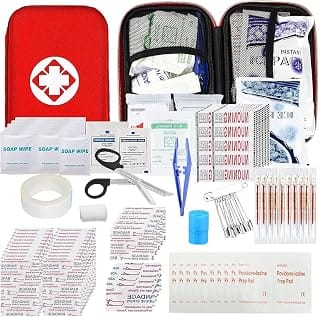
First Aid Kit 277PCS Car Home Camping Essentials Red
$16.99
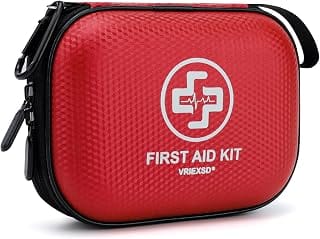
Mini First Aid Kit - 150 Piece Small Waterproof Hard
$9.99
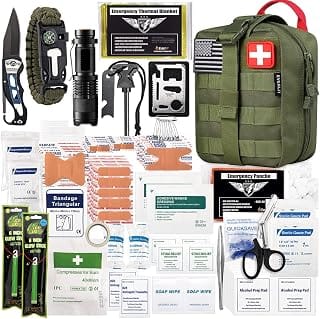
EVERLIT 250 Pcs Survival First Aid Kit | IFAK Outdoo
$39.99
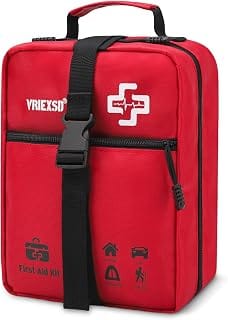
VRIEXSD 400 Piece Large First Aid Kit for Home, Car,
$35.99
Affiliate disclosure: as an affiliate partner, RigTested may earn from qualifying purchases through links on this page, at no extra cost to you.
We may earn a commission if you buy through links on this page, which helps support the site.
Why Standard Kits Fail in the Wild
Most of us have seen the standard office or car first aid kit: a small ziplock bag or flimsy plastic box containing a few band-aids and a tube of antiseptic. On an overland trip, these kits fall short for real-world outdoor hazards. Urban kits are designed for minor scrapes in controlled environments, not for exposure, significant trauma, or difficult terrain.
In the backcountry, you face risks that standard supplies do not address. A deep laceration from a rock slide requires hemostatic agents and thick gauze, not just adhesive strips. Extended trips mean you need wound closure supplies to prevent infection over days, not hours. If your kit lacks specific trauma tools, it is merely a collection of convenience items rather than a survival asset.
Essential Components of a Robust Survival Kit
A robust kit prioritizes life-saving interventions over comfort items. The non-negotiables for wound management include sterile gauze pads, hemostatic agents to stop severe bleeding, and trauma dressings. These are the tools that stabilize a patient in remote locations where help is hours away.
We define the "triage" hierarchy strictly: life-saving measures come first. This means controlling massive hemorrhage and maintaining airway patency. Treating minor scrapes, blisters, or insect bites falls into the secondary tier. While important for morale and long-term health, these items should not take up space at the expense of critical trauma supplies.
Key Features to Look For in a Quality First Aid Kit
Durability is paramount. The container must withstand drops on rocks and exposure to water. A soft pouch that tears easily or a case with a failing latch is useless when you are trying to save someone’s life in the rain.
- Water Resistance: Look for hard-shell cases or fully sealed dry bags. Moisture ruins gauze and degrades medications.
- Organization: Under stress, with cold hands or low light, you need to find items quickly. Clear labels, color-coded pouches, and modular layouts allow for rapid access without digging through a jumbled mess of supplies.
How to Choose: Day Hike vs. Multi-Day Expedition
Your kit should match the duration and risk profile of your trip.
- Day Hikes: Focus on compactness and quick-access trauma care. You need minimal bulk but must include items for immediate bleeding control and wound cleaning. The goal is to be self-sufficient until you can return to base.
- Multi-Day/Backpacking: Emphasize redundancy. You may not have access to resupply, so carry extra bandages, wound closure strips, and medication storage for the full duration of your trip. Infection prevention becomes a primary concern as trips extend.
- Winter/Cold Weather: Specific additions are required for frostbite prevention and hypothermia management. Include chemical heat packs, insulated wraps, and additional layers to manage body temperature loss alongside physical injuries.
Comparison: Top-Rated Kit Categories
We compared four distinct kits that represent different approaches to outdoor medical preparedness. Below is a comparison of their features and value.
| Product | Type / Category | Piece Count | Price | Best For |
|---|---|---|---|---|
| Mini First Aid Kit - 150 Piece Small Waterproof Hard Shell Medical Kit | Compact Pouch / Hard Case | 150 | $9.99 | Day packs, quick access, primary trauma basics |
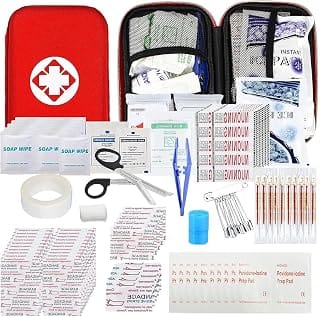
| First Aid Kit 277PCS Car Home Camping Essentials Red Emergency Kit YIDERBO | Pre-Packaged Commercial Kit | 277 | $16.99 | General vehicle/home backup, broad coverage |
| VRIEXSD 400 Piece Large First Aid Kit for Home, Car, Travel, Camping,Sports | Large Comprehensive Kit | 400 | $35.99 | Group trips, extended excursions, redundancy |
| EVERLIT 250 Pcs Survival First Aid Kit | Modular / IFAK Style | 250 | $39.99 | Hunting, tactical use, structured organization |
Customizing Your Kit: The "Add-On" Strategy
No commercial kit is perfect for every individual. We recommend treating these base kits as a starting point and tailoring them to your specific medical needs.
- Personal Medical Needs: If you have allergies or chronic conditions, add your specific medications. Ensure they are labeled clearly so any helper knows what is being administered.
- Specialized Additions: Consider adding splints for fracture management, tick removal tools for high-tick regions, and satellite communication integration cards if you are venturing far from cell service.
Common Mistakes Hikers Make with Their First Aid Gear
Even the best gear fails if it is not maintained. We often see two recurring errors in the field:
- Neglecting Expiration Dates: Medications and ointments degrade over time. A kit with expired antibiotics or dried-out antiseptic cream is dangerous to rely on.
- Over-Packing Bulky Items: Many hikers fill their kits with excessive band-aids and comfort items, leaving no room for critical trauma supplies like hemostatic gauze or chest seals. Bulk does not equal capability.
FAQ: Trail Medical Preparedness
Do I need a separate survival kit if I have a first aid pouch?
A: Yes. A first aid kit treats injuries; a survival kit manages environment (shelter, water, fire). They serve different functions and should be carried separately or integrated thoughtfully.
How often should I restock or inspect your gear?
A: We recommend a full inspection every six months. Check seals, verify expiration dates, and replace any used items immediately after a trip.
What is the difference between a blister kit and a full wound care section?
A: A blister kit focuses on prevention and minor relief (moleskin, tape). A full wound care section includes sterile gauze, irrigation supplies, and closure methods for deeper lacerations that require cleaning and protection from infection.
Final Checklist: Is Your Kit Ready?
Before your next trip, audit your current pack. Look for one missing critical item and address it today.
- Seals: Are the zippers or latches intact? Is there any moisture inside the case?
- Dates: Check all medications, ointments, and sterile packaging for expiration.
- Completeness: Do you have enough gauze for a major bleed? Are your splints or closure strips present?
🔥 Live deals, updated daily
Prices on the gear we cover move constantly. We track current discounts on trail first-aid kits and the rest of the gear we cover and refresh them every morning.
See today’s live deals →This guide was produced with AI assistance and reviewed by our team.
Get the gear that holds up
New guides, hands-on reviews as they land, and real deals, about once a week. No spam, unsubscribe anytime.