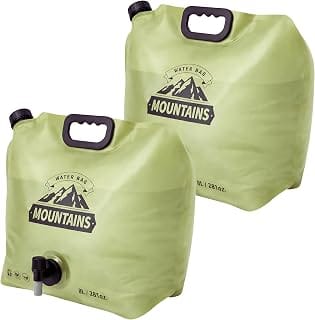
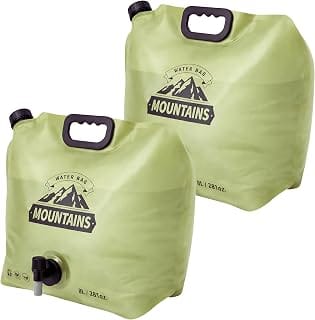
Camping Water Container 2 Gallon Collapsible Water J
$12.99
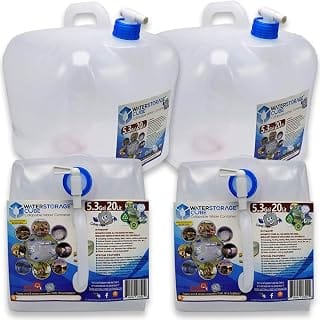
WaterStorageCube Collapsible Water Container with Sp
$23.74
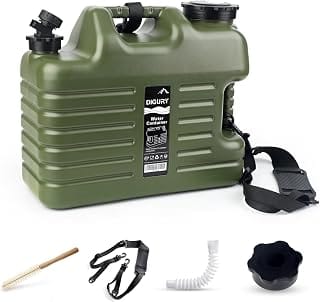
Digury 5 Gallon Water Jug, Camping Water Container B
$35.99
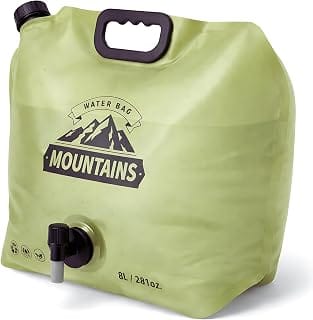
Camping Water Container 2 Gallon Collapsible Water J
$6.99
Affiliate disclosure: as an affiliate partner, RigTested may earn from qualifying purchases through links on this page, at no extra cost to you.
We may earn a commission if you buy through links on this page, at no extra cost to you.
Why Dedicated Water Storage Matters in the Backcountry
Relying solely on your vehicle's fuel tank or single-use plastic bottles is a risky strategy for extended overlanding trips. Fuel tanks are not designed for potable water storage, and using them can lead to contamination issues that compromise both your health and your engine if cross-contamination occurs. Single-use bottles, while convenient for short hikes, lack the structural integrity needed for long-term storage in rough terrain.
The trade-off between weight, capacity, and accessibility is central to selecting the right gear. Water is heavy—approximately 8.3 pounds per gallon—so every liter you carry impacts your truck's payload and fuel efficiency. Accessibility matters because if you cannot easily dispense water without spilling it all over the truck bed during a stop, the gear fails its primary purpose.
Standard household jugs often fail under off-road conditions due to their thin plastic walls and lack of secure mounting points. They crack when dropped on rocks, leak when squeezed by shifting cargo, and become unwieldy projectiles in sudden stops. Dedicated overlanding water storage is engineered to withstand these specific stresses.
Key Factors to Consider Before Buying
Capacity & Weight: The balance between liters carried vs. vehicle payload limits is critical. A typical rule of thumb for planning is to budget around 1 gallon per person per day for drinking and cooking in moderate climates, though this varies significantly with heat and activity levels. Before loading up, check your truck's Gross Vehicle Weight Rating (GVWR) to ensure you are not exceeding safe payload limits.
Durability & Material: Food-grade plastics are the standard for most overlanding containers due to their light weight and resistance to corrosion. Stainless steel is durable but heavy and prone to condensation, making it less ideal for bed-mounted storage where every pound counts. Collapsible soft-sided options offer maximum space savings when empty but require careful handling to avoid punctures from sharp rocks or branches.
Mounting & Security: Securing containers against shifting is non-negotiable. Unsecured water jugs become dangerous projectiles in off-road conditions, especially during sudden stops or rollovers. Use dedicated tie-downs, netting, or aftermarket racks designed to hold the specific shape and weight of your chosen container.
Top Water Storage Options by Type
We compared several popular options that balance durability, capacity, and ease of use. Here are the top picks.
Rigid Hard-Shell Jugs
For those who prefer a solid, crush-resistant design that can handle being stacked or bumped, rigid jugs are the go-to choice. They maintain their shape even when empty and typically feature integrated handles and spouts that prevent spills during transit.
- Digury 5 Gallon Water Jug: This is a robust option for base camp storage or larger rigs. It features a BPA-free construction with a secure spigot, making it ideal for stationary use at camp rather than frequent movement in the truck bed.
- View Digury 5 Gallon Water Jug
Collapsible Soft-Sided Containers
Collapsible containers are the best choice for maximizing space in a truck bed or cargo area. When empty, they fold down to a fraction of their full size, allowing you to pack more gear when not carrying water.
- WaterStorageCube Collapsible Water Container: This 5.3-gallon cube is a top pick for its balance of capacity and portability. The BPA-free material is flexible yet sturdy enough for daily use, and the spigot allows for easy dispensing without tipping.
- View WaterStorageCube Collapsible Water Container
- Camping Water Container 2 Gallon Collapsible Water Jug (2 Pack): A more affordable entry point for those who need smaller, manageable units. The two-pack allows you to split water storage across different parts of the rig or share with a co-pilot.
- View Camping Water Container 2 Gallon Collapsible Water Jug (2 Pack)
- Camping Water Container 2 Gallon Collapsible Water Jug (1 Pack): Ideal for solo travelers or as a backup container. Its compact size makes it easy to stash in a gear bag when not in use.
- View Camping Water Container 2 Gallon Collapsible Water Jug (1 Pack)
Integrated Vehicle Tanks & Add-ons
For maximum capacity without interior clutter, some overlanders opt for aftermarket tank installations. These are typically mounted in the bed or under the truck and can hold 20 to 50 gallons. While they offer significant storage, they require professional installation and add substantial weight. Always check your manufacturer’s weight limits before adding this much liquid mass to ensure you do not compromise handling or suspension integrity.
Spec Comparison Table
| Product Name | Type | Capacity (per unit) | Key Feature | Price |
|---|---|---|---|---|
| Digury 5 Gallon Water Jug | Rigid Hard-Shell | 5 Gallons | BPA-Free, Secure Spigot | $35.99 |
| WaterStorageCube Collapsible Water Container | Collapsible Soft-Sided (2-Pack) | 5.3 Gallons | Foldable, BPA-Free, Spigot | $23.74 |
| Camping Water Container 2 Gallon Collapsible Water Jug (2 Pack) | Collapsible Soft-Sided (2-Pack) | 2 Gallons | Foldable, Reusable Plastic | $12.99 |
| Camping Water Container 2 Gallon Collapsible Water Jug (1 Pack) | Collapsible Soft-Sided (1-Pack) | 2 Gallons | Foldable, Compact | $6.99 |
How to Choose the Right Water Jug for Your Setup
Your choice depends heavily on your trip duration and style.
- Trip Duration: For weekend trips, a single 5-gallon collapsible container is usually sufficient. For multi-week expeditions in remote areas with limited water sources, you will need to combine rigid jugs for base camp stability with collapsible containers for mobile storage.
- Portability Needs: If you frequently carry water away from the vehicle (e.g., for hiking or setting up camp far from the truck), lighter collapsible options are preferable. Rigid jugs are heavier to lift and less ergonomic for long carries.
- Cleaning & Maintenance: Collapsible containers can be harder to clean thoroughly if they have no rigid structure to hold their shape during washing. Rigid jugs with wide mouths or spigots that allow internal cleaning tools are easier to sanitize regularly.
Maintenance & Hygiene Best Practices
Proper hygiene is essential to prevent algae growth and bacterial contamination in stored water.
- Prevent Algae: Store containers away from direct sunlight. UV light promotes algae growth, which can make water taste bad and potentially unsafe. Use opaque containers or cover clear ones with a dark tarp when stationary for extended periods.
- Sanitization: Before filling, sanitize your container with a mild bleach solution (1 teaspoon of unscented bleach per gallon of water). Let it sit for 30 minutes, then rinse thoroughly until no chlorine smell remains. Avoid harsh chemicals that can leave residues affecting taste.
- Inspection Routines: Regularly inspect your containers for cracks, leaks, or material degradation. Collapsible bladders are particularly prone to small tears at seams or valve areas. Replace any container showing signs of wear or persistent odor.
Common Mistakes to Avoid
- Sunlight Exposure: Storing water in direct sunlight for extended periods leads to heat buildup and UV degradation, which can compromise the plastic material over time and encourage microbial growth.
- Unsecured Containers: Never leave water jugs loose in the bed. In a sudden stop or rollover, unsecured containers become dangerous projectiles that can cause severe injury or damage to your vehicle.
- Underestimating Needs: Many overlanders budget only for drinking water. Remember to account for cooking, cleaning, and hygiene needs, which can double or triple your total water requirement.
FAQ: Water Storage for Overlanding
How much water should I bring per person?
This depends on climate, activity level, and trip length. In hot climates with high physical exertion, you may need more than the standard 1 gallon per day. Always err on the side of caution when heading into remote areas with limited resupply options.
Can I use regular household jugs for off-roading?
It is not recommended. Consumer-grade plastics are often thinner and less resistant to impact than ruggedized overlanding gear. They are more likely to crack or leak under the stress of off-road travel.
What is the best way to keep water cold in hot climates?
General insulation strategies include storing containers in shaded areas, using reflective covers, or placing them in insulated coolers. Avoid leaving containers in direct sunlight during peak heat hours.
Are collapsible containers safe for long-term storage?
Soft-sided options can suffer from material fatigue over time if left filled or folded indefinitely. It is best to store them partially inflated and out of direct UV exposure when not in use, and replace them as soon as you notice any thinning or discoloration.
Final Thoughts: Staying Hydrated on the Trail
Matching your water storage solutions to your individual overlanding style is key to a successful trip. Whether you prefer the stability of rigid jugs or the space-saving benefits of collapsible containers, choosing the right gear ensures you have reliable access to clean water throughout your adventure.
We encourage readers to test their setup in controlled environments before heading into remote expeditions. Check for leaks, secure mounting points, and verify that you can easily dispense water without spilling.
For more tips on managing resources on the trail, check out our other gear guides or share your personal water management strategies in the comments below.
🔥 Live deals, updated daily
Prices on the gear we cover move constantly. We track current discounts on water storage for overlanding and the rest of the gear we cover and refresh them every morning.
See today’s live deals →This guide was produced with AI assistance and reviewed by our team.
Get the gear that holds up
New guides, hands-on reviews as they land, and real deals, about once a week. No spam, unsubscribe anytime.