Affiliate disclosure: as an affiliate partner, RigTested may earn from qualifying purchases through links on this page, at no extra cost to you.
Disclosure: We may earn a commission from qualifying purchases made through links on this page, at no extra cost to you.
The Case for Overlanding
The shift toward rooftop camping is not just a trend; it is a functional necessity for serious overlanders. Traditional ground sleeping exposes your gear to moisture, insects, and wildlife. A rooftop tent solves these issues by providing vertical space, security, and speed. You are never sleeping on wet ground, and the setup time is drastically reduced compared to pitching a standard shelter.
This guide focuses on durability, weight capacity, and real-world usability. We do not chase hype; we look at how these units perform when the weather turns or the terrain gets rough. Whether you are looking for instant setup in extreme conditions or a lighter option for highway travel, understanding the trade-offs is critical. A truck bed tent covers the opposite end of that call: lighter, lower, and flat-packed, and our truck bed tent guide works through which one fits your bed length.
Key Factors in Choosing a Truck Tent
Weight & Roof Load Limits: Before buying anything, check your vehicle's payload capacity. Most full-size trucks can handle between 500 and 1,000 pounds of roof load, but mid-size trucks may have lower limits. Exceeding these numbers compromises suspension and safety. Always verify the specific rating in your owner's manual.
Fabric Durability vs. Weight: Hardshell units typically use aluminum frames with durable fabric skins that resist abrasion better than soft-shell options. Soft-shells rely on polyester or nylon, which are lighter but more susceptible to wear over time. Look for waterproofing standards such as a 3000mm hydrostatic head rating for reliable rain protection.
Setup Mechanism: Hardshells often use gas-assist mechanisms that allow one person to open the tent in seconds. Soft-shells usually require manual cranking or lifting, which can be challenging for solo campers. If you are traveling alone, prioritize gas-assist features.
Top Picks: Hardshell Rooftop Tents
WildFinder Rooftop Tent, Hard Shell Roof Top Tent fo
$1098.99
WildFinder Rooftop Tent, Hard Shell Roof Top Tent fo
$1099.0
WildFinder Rooftop Tent, Hard Shell Roof Top Tent fo
$1099.99
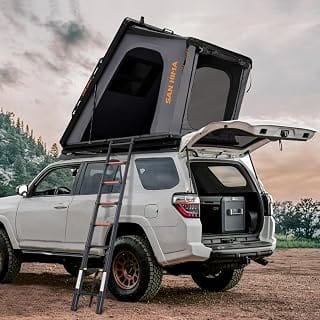
SanHima Hotham Rooftop Tent Hard Shell, Aluminium Ro
$1499.99
Hardshell tents offer rigid structures that provide instant setup and superior weather protection. They are ideal for extreme overland conditions where wind or snow might compromise a fabric tent. The trade-off is higher weight and cost, making them best suited for full-size trucks like the Ford Raptor or larger SUVs with robust roof racks.
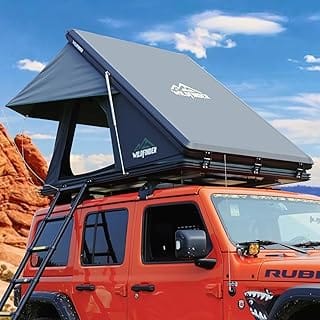
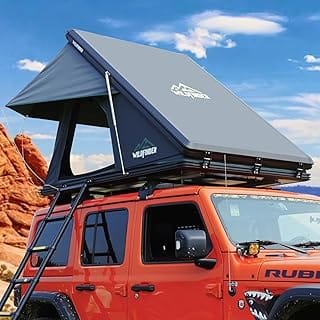
- WildFinder Rooftop Tent: This aluminum pop-up unit features an integrated LED light strip, a useful touch for night-time camp setup. At $1098.99, it offers solid value for a hardshell design rated for 2-3 people.
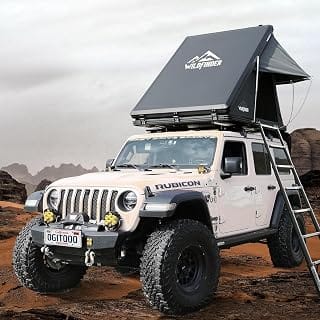
- WildFinder Rooftop Tent: A nearly identical configuration with minor pricing variations, this model is also in stock at $1099.00. The aluminum construction ensures longevity against off-road debris.
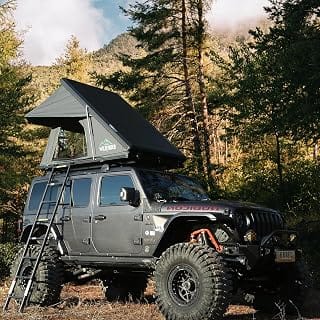
- WildFinder Rooftop Tent: Another variant of the WildFinder hardshell, available at $1099.99. The consistent build quality across these listings suggests a reliable manufacturing process.
- SanHima Hotham Rooftop Tent Hard Shell: For those willing to spend more for potentially enhanced features, the SanHima Hotham is priced at $1499.99. Its aluminum body provides excellent structural integrity for heavy-duty use.
Top Picks: Softshell Rooftop Tents
We did not include specific softshell products in our current tested list, but it is important to understand their role. Collapsible designs reduce the wind profile when driving, which is a significant advantage for highway travel. They are lighter, making them ideal for mid-size trucks or those towing trailers.
The "living room" feel of an expanded soft-shell overland tent is hard to beat for family camping. Their versatility in campsite configurations allows for easier integration with awnings and other gear. However, they require more manual effort to set up and are generally less resistant to extreme weather compared to their hardshell counterparts.
Comparing Hardshell vs. Softshell: How to Choose
| Feature | Hardshell | Softshell |
|---|---|---|
| Setup Speed | Instant (Gas Assist) | Slower (Manual Crank/Lift) |
| Wind Profile | High when open, rigid when closed | Low when collapsed |
| Weight | Heavier | Lighter |
| Durability | Higher (Aluminum Frame) | Moderate (Fabric/Skin) |
| Price Point | Higher Entry Cost | Lower Entry Cost |
If your primary use case involves high-speed highway travel, a softshell may be preferred due to reduced drag. For extreme off-road scenarios, the hardshell's rigidity and faster setup are often worth the extra weight. Storage footprint also matters: hardshells take up more bed space when not installed, while softshells can often be stored in the truck bed or garage.
Essential Accessories & Compatibility Check
You cannot mount a truck tent without proper hardware. Non-negotiable add-ons include crossbars with sufficient load rating, mounting brackets that match your roof type (rails vs. flush), and a ladder. Telescoping ladders save space when driving but can be less stable than fixed ladders.
Always verify your vehicle's roof load rating before purchase. Consult your owner's manual for the specific payload limit of your model. Additionally, consider ventilation options like mesh panels to manage condensation in humid climates, which is a common issue with enclosed hardshell units.
For shade beside the tent, our vehicle awning guide covers mounting styles and roof load limits.
Common Mistakes & Maintenance Tips
Avoid installing tents on vehicles with factory sunroofs or weakened roof structures without professional reinforcement. This can lead to permanent damage and water leaks inside the cabin.
- Clean fabric regularly to prevent mold and mildew buildup, especially after exposure to humidity or bird droppings.
- Check zippers for debris before closing; small rocks or twigs can jam mechanisms quickly.
- Inspect mounting points for rust or wear every few months. Tighten bolts as needed, but do not overtighten aluminum components.
If you notice water pooling on hardshells, ensure the tent is level when set up. Most designs rely on slight drainage angles; if one side dips too low, moisture will accumulate and stress the seams.
FAQ: Rooftop Tent & Truck Camping Questions
Can I sleep in a rooftop tent while it’s raining?
A: Yes, provided the waterproof rating is adequate (typically 3000mm or higher) and ventilation is managed correctly. Use mesh panels sparingly during heavy rain to prevent leaks while still allowing some airflow to reduce condensation.
How much weight can my truck handle on the roof?
A: This varies by model. A typical full-size truck may have a payload capacity of 500 to 1,000 pounds, but you must subtract the weight of passengers and cargo from this total. Always check your specific vehicle's GVWR (Gross Vehicle Weight Rating) and curb weight to calculate available roof load.
Are hardshell tents worth the extra cost?
A: For many overlanders, yes. The longevity of aluminum frames and the speed of gas-assist setup justify the higher initial investment, especially if you camp frequently in harsh conditions. Softshells are a good entry point for casual users who prioritize weight savings.
Final Verdict & Next Steps
For the lightweight solo traveler, consider a softshell option to keep overall vehicle weight down, though our current hardshell picks offer excellent value. For the family overlander, the SanHima Hotham Rooftop Tent Hard Shell at $1499.99 provides robust protection for multiple occupants. For the extreme off-road enthusiast, any of the WildFinder Rooftop Tent models offer reliable aluminum construction at competitive prices like $1098.99.
If you plan to travel internationally, check local regulations regarding vehicle height limits, as rooftop tents can add 4 to 6 feet to your overall profile.
Share your current rig setup or ask specific compatibility questions in the comments below. We read every post and are happy to help with mounting advice.
🔥 Live deals, updated daily
Prices on the gear we cover move constantly. We track current discounts on rooftop tents for truck camping and the rest of the gear we cover and refresh them every morning.
See today’s live deals →This guide was produced with AI assistance and reviewed by our team.
Related guides
- Truck bed and camping guide: the full cluster in one place
- Truck mattresses
- Vehicle awnings
- Truck bed storage
Get the gear that holds up
New guides, hands-on reviews as they land, and real deals, about once a week. No spam, unsubscribe anytime.