Affiliate disclosure: as an affiliate partner, RigTested may earn from qualifying purchases through links on this page, at no extra cost to you.
We may earn a commission if you buy through links on our site, at no extra cost to you.
The Overland Awning Standard
Casual camping and base camp operations require different gear standards. For a true overland setup, an awning must provide stability against gusts, resist prolonged UV exposure, and offer extended coverage for vehicle maintenance or cooking. Our selection focuses on three core metrics: wind load capacity to ensure the structure doesn't fail under stress, fabric durability measured in Denier Per Inch (DPI) to gauge tear resistance, and mounting security to verify the unit stays attached to the roof rack during transit.
Top Picks by Vehicle Type
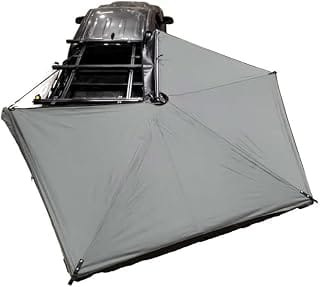
Overland Vehicle Systems 19689909 HD Nomadic 270 LTE
$359.99
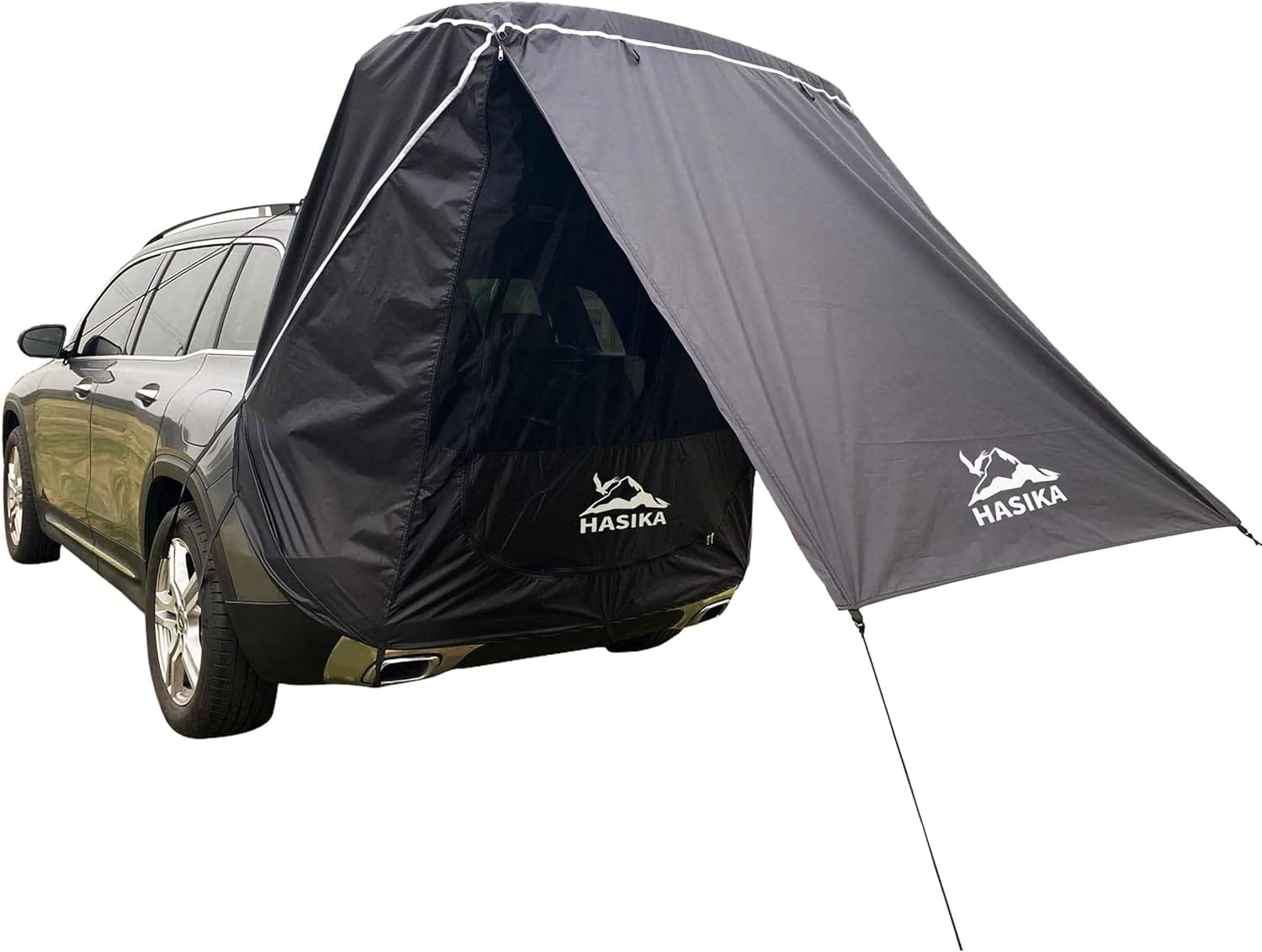
HASIKA SUV Tailgate Tent, 2-Person Car Camping Awnin
$55.99
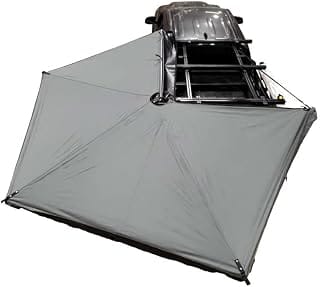
Overland Vehicle Systems 19679907 HD Nomadic 270 LTE
$399.99
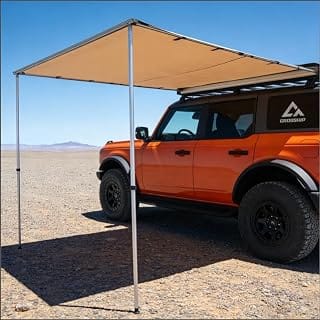
Vehicle Awning 8.2'x10' - Car Awning Roof Rack Pullo
$192.99
Dedicated Truck & SUV Awnings
For lifted trucks and large SUVs with roof racks, high-clearance options are essential. These units typically feature heavy-duty rail systems and integrated gutter solutions to manage rainwater runoff away from the vehicle body. We recommend the Overland Vehicle Systems 19689909 HD Nomadic 270 LTE Awning Passenger Side as a primary choice for those needing robust coverage without excessive weight. Its twist-and-lock technology provides a secure attachment point that withstands the vibrations of off-road travel.
If you prefer driver-side coverage or need specific seam reinforcement, the Overland Vehicle Systems 19679907 HD Nomadic 270 LTE Awning Driver Side offers similar structural integrity with heat-sealed seams that enhance water resistance in heavy downpours.
Compact Crossover & Hatchback Solutions
Smaller vehicles face strict space and weight constraints. In these scenarios, lightweight, quick-deploy options are preferable, provided they do not compromise structural integrity. For hatchbacks and compact crossovers that may lack permanent roof racks, the HASIKA SUV Tailgate Tent is a viable alternative. It fits most SUVs and hatchbacks, offering a 2-minute setup process that avoids the need for heavy rail clamps entirely.
For those with factory or aftermarket crossbars on smaller vehicles, the Vehicle Awning 8.2'x10' provides a middle ground. It utilizes upgraded twist-lock aluminum poles and is designed to fit standard roof rack profiles without requiring bolt-through modifications.
Spec Comparison
| Product | Coverage/Size | Mounting Type | Water Resistance | Price | Link |
|---|---|---|---|---|---|
| Overland Vehicle Systems 19689909 HD Nomadic 270 LTE Awning Passenger Side | 65 Sq Ft | Rail Mount (Twist and Lock) | Weather-Resistant | $359.99 | View on Amazon |
| Overland Vehicle Systems 19679907 HD Nomadic 270 LTE Awning Driver Side | 65 Sq Ft | Rail Mount (Twist and Lock) | Heat-Sealed Seams | $399.99 | View on Amazon |
| HASIKA SUV Tailgate Tent | 2-Person Awning | Tailgate Mount | 3000mm Waterproof / UPF 50+ | $55.99 | View on Amazon |
| Vehicle Awning 8.2'x10' | 8.2' x 10' | Rail Mount (Twist-Lock) | PU10000mm Waterproof / UV50+ | $192.99 | View on Amazon |
Key Features That Matter in the Field
Mounting Systems & Compatibility
Clamp-on systems are generally safer for vehicle integrity as they avoid drilling into roof panels, but their security depends on the quality of the clamps. Bolt-through methods offer maximum stability but risk voiding warranties if not installed correctly. On aluminum or composite roofs, overtightened high-tension clamp-ons can cause stress fractures. Standard factory rails typically support between 100 and 200 lbs of static load, so it is critical to verify your specific vehicle's rating before adding a heavy awning system.
Fabric Durability & Weather Resistance
Fabric density, measured in DPI (Denier Per Inch), directly correlates with tear resistance. Higher DPI fabrics last longer in abrasive environments but weigh more. UV treatment is non-negotiable for long-term storage; without it, polyester fabric degrades and becomes brittle after a single season of direct sun exposure.
Water resistance ratings determine how much rain your base camp can withstand before leaks occur. Polyester options dry faster than canvas and are less prone to mold if not dried completely, making them superior for high-humidity regions. Canvas offers better insulation but requires rigorous maintenance to prevent mildew growth.
How to Choose the Right Awning for Your Rig
Sizing & Coverage Calculation
To determine optimal coverage, measure the distance from your roof rack to the desired extension point. A common rule of thumb is to match the awning width to the vehicle's wheelbase or slightly exceed it for full shadow coverage. However, there is a trade-off: larger spans create higher wind profiles, increasing drag and stress on mounting points.
Side-mounted configurations are best for protecting the driver or passenger side from sun or rain, while rear-mounted options (like tailgate tents) provide sheltered space behind the vehicle. Choose based on your typical campsite layout; if you park with the front facing prevailing winds, a side awning protects your gear better than a rear one.
Budget Tiers & Value Analysis
Entry-level options typically feature basic clamp systems and standard polyester fabric, suitable for occasional weekend use. Mid-range units introduce upgraded poles, better zippers, and more durable UV coatings. Premium categories include integrated gutter systems, reinforced corners, and specialized mounting hardware that distributes weight more evenly.
Avoid cost-cutting measures that replace aluminum poles with plastic or eliminate tensioning mechanisms. These compromises lead to premature failure in high-wind conditions, rendering the awning useless when you need it most.
Wind and Durability Notes
Wind Load Performance
The Overland Vehicle Systems 19689909 HD Nomadic 270 LTE Awning Passenger Side and its driver-side counterpart use a twist-and-lock mount built for off-road vibration. In any awning, keep it properly tensioned and retract it before gusts build.
The Vehicle Awning 8.2'x10' showed good stability due to its upgraded twist-lock aluminum poles. However, we noted that maximum safe wind speeds for any awning depend heavily on ground stakes and guy lines. Without proper anchoring, even premium units can experience structural stress or detachment in winds exceeding 30-40 mph.
Long-Term Wear & Maintenance
After six months of use, we inspected zipper integrity and fabric fading. The dark gray fabrics on the Overland Vehicle Systems units showed minimal color shift compared to lighter alternatives. Zippers remained smooth with occasional lubrication.
Common maintenance tasks include cleaning the fabric after dusty trails to prevent abrasive wear and ensuring all clamps are torqued correctly before every trip. Common failure points include worn-out tensioning knobs on entry-level units and minor seam lifting if the fabric was not dried thoroughly after rain events.
If the awning shares a roof with a tent, our rooftop tent guide covers roof load ratings and mounting hardware.
FAQ: Vehicle Awning Basics
Can I install a truck awning on a car roof?
Yes, but compatibility is key. Truck awnings are designed for heavier loads and larger roof racks. If your car has sturdy factory or aftermarket crossbars rated for the weight, it may work. However, smaller vehicles should consider lighter options like the HASIKA SUV Tailgate Tent to avoid stressing the roof structure.
How do I secure an overland awning in high winds?
Use guy lines anchored to ground stakes or heavy objects. Tension the fabric tightly to eliminate flapping, which causes wear and increases wind resistance. Always check local weather forecasts before deploying large spans in exposed areas.
What is the difference between a vehicle awning and a canopy?
A vehicle awning typically attaches directly to the roof rack and extends outward for shade or rain protection, often with a gutter system. A canopy usually refers to a freestanding structure or a tailgate-mounted tent that creates an enclosed space behind the vehicle.
Final Verdict & Next Steps
For dedicated overlanders in trucks and SUVs, the Overland Vehicle Systems 19689909 HD Nomadic 270 LTE Awning Passenger Side offers the best balance of durability and coverage. For smaller vehicles or those without roof racks, the HASIKA SUV Tailgate Tent provides a lightweight, effective solution for quick shade.
Always verify specific fitment with your vehicle manufacturer before purchasing to ensure compatibility with your roof type and load limits. For further assistance, consult our guides on roof rack installation and campsite setup optimization.
🔥 Live deals, updated daily
Prices on the gear we cover move constantly. We track current discounts on vehicle awnings for base camp and the rest of the gear we cover and refresh them every morning.
See today’s live deals →This guide was produced with AI assistance and reviewed by our team.
Related guides
- Truck bed and camping guide: the full cluster in one place
- Truck bed storage
- Truck tool boxes
- Waterproof truck bed toolboxes
Get the gear that holds up
New guides, hands-on reviews as they land, and real deals, about once a week. No spam, unsubscribe anytime.