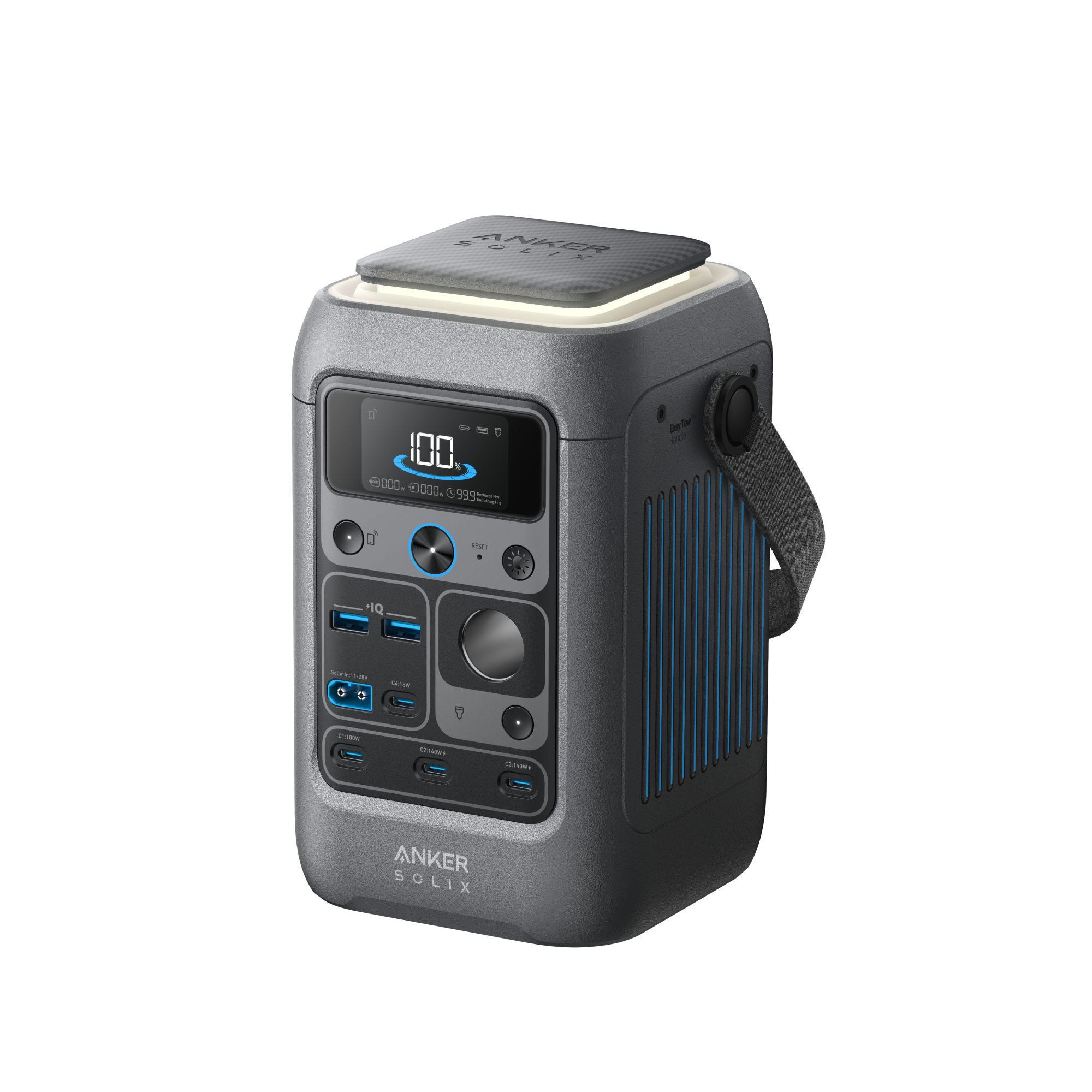
Power on an overland rig works as a system rather than a single purchase. Something stores the energy, something refills it, something converts it, and a handful of devices draw from it all day. This hub links every RigTested power guide and explains where each one sits, so you can size the parts against each other instead of buying them one at a time.
Storage: the power station
A portable power station is the center of most camp setups. Our overlanding must-haves write-up lists the Jackery 1000 v2 at 1,070Wh with 1,500W of AC output and LiFePO4 cells, and notes that a typical 12V compressor fridge averages roughly 50 to 70W, so a station that size covers well over a full day of fridge runtime. If you would rather run a fridge from a fixed battery, the 12V fridge guide recommends a dedicated deep-cycle AGM or lithium bank of at least 100Ah instead of the starter battery, with proper fusing in the 30A to 50A range.
Recharge: solar
Storage only lasts as long as you can refill it. The solar panel guide explains the one rule that matters most: match panel wattage to your power station's charge controller limits, because exceeding the maximum input voltage or current can damage the unit or stop charging. It also walks through the daily math. Running 100W of gear for 5 hours needs 500Wh, and a 200W panel getting 4 peak sun hours yields roughly 800Wh before efficiency losses. Keep panels out of shade between 10 AM and 4 PM, since even partial shading cuts output.
Conversion: inverters
Anything with a wall plug needs AC. The power inverter guide covers pure sine versus modified sine output. Laptops, CPAP machines, and modern power tools often need pure sine, while modified sine is generally acceptable only for simple resistive loads. It also explains why continuous watts matter more than peak or surge watts when you size the unit.
The loads: fridge, fan, phones, and internet
The fridge is usually the biggest steady draw. The fridge guide suggests 10 to 23 quarts for trips under three days and 40 quarts or more for week-long trips. A 12V truck fan is the opposite: it runs off the lighter socket and draws only a handful of amps, so it cools the cab without idling the engine for the A/C. For hiking away from the truck, the power bank guide explains why solar power banks are supplements rather than primary sources and notes the 100Wh (about 27,000mAh) carry-on limit for flights. Finally, the Starlink remote work guide describes running a dish, router, and laptop off a solar-charged power station for 72 hours, which is the whole system above working together.
Every guide in this cluster
- Best Portable Power Stations for Camping: start here for pairing a station with panels for off-grid charging.
- Best Portable Solar Panels: matching panel wattage and connectors to your station.
- Best Power Inverters for Your Rig: pure sine versus modified sine and sizing by continuous watts.
- Best 12V Portable Fridges: capacity by trip length plus battery and fusing advice.
- Best 12V Fans for Your Truck Cab: low-draw cooling when the engine is off.
- Best Power Banks for Backpacking: pocket power for time away from the rig.
- Overlanding Must-Haves We Run: a power station and sleep pad pairing with real runtime numbers.
- Starlink for Remote Work Off-Grid: what it takes to power satellite internet from solar.
Need to start a dead truck rather than run camp gear? Jump starters live in our off-road recovery hub.
Get the gear that holds up
New field tests, guides and real deals, about once a week. No spam, unsubscribe anytime.